
When most people think of army life, they picture discipline, resilience, and strong bonds formed through shared experiences. But for some veterans, military service—whether through active duty, overseas deployment, or long-term defence roles—can leave behind invisible wounds. These are experiences that continue to affect the mind long after the uniform is set aside.
Understanding PTSD in a Military Context
Post-Traumatic Stress Disorder (PTSD) can develop after exposure to deeply distressing or life-threatening events. For army veterans, this may include intense training environments, accidents during service, combat exposure, or prolonged psychological strain linked to deployment and separation from family.
PTSD does not always appear immediately. Some veterans function well for years before symptoms surface, often during periods of stress or major life transitions. Others may dismiss their experiences as “just stress,” hoping it will pass on its own. However, PTSD is not a sign of weakness—it is the nervous system remaining in survival mode long after danger has ended.
Everyday Signs Veterans May Notice
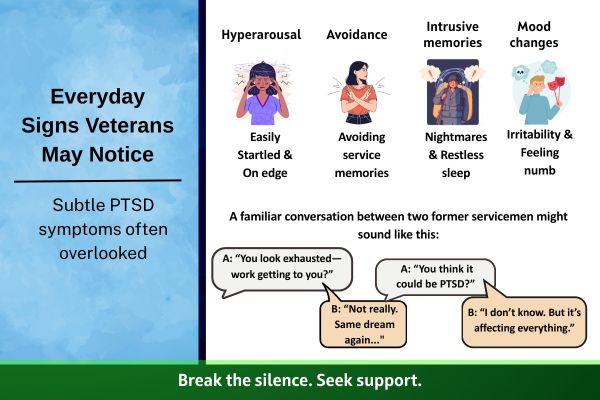
For many veterans, symptoms can be subtle and easily overlooked:
- Feeling constantly on edge or startled by sudden loud noises
- Avoiding conversations about service because memories feel overwhelming
- Difficulty sleeping due to recurring dreams, restlessness, or hypervigilance
- Emotional numbness or irritability without a clear reason
A familiar conversation between two former servicemen might sound like this:
A: “You look exhausted—work getting to you?”
B: “Not really. Same dream again. Feels like I’m back there.”
A: “You think it could be PTSD?”
B: “I don’t know. But it’s affecting everything.”
Such exchanges are more common than many realise. Yet, because mental health is often treated as a private matter, many veterans choose silence over support.
Why PTSD Affects Families Too
PTSD does not exist in isolation. Partners and children may notice emotional withdrawal, mood changes, or distance that feels confusing or hurtful. Veterans who suppress emotions may unintentionally push away those closest to them, placing strain on relationships.
As one partner shared during a counselling session:
“He’s physically present, but emotionally it feels like he’s somewhere else. I don’t know how to reach him.”
These experiences highlight the importance of support systems that include both veterans and their families.
Support Options for Veterans
The good news is that effective help is available. Many veterans find relief through:
- Trauma-informed counselling – including EMDR (Eye Movement Desensitisation & Reprocessing) and CBT (Cognitive Behavioural Therapy)
- Peer support groups – connecting with others who share similar experiences
- Online therapy – offering privacy and flexibility for those hesitant to seek in-person help
These approaches help veterans process traumatic memories safely, reduce anxiety, and regain a sense of control.
Breaking the Stigma: Why Talking Helps
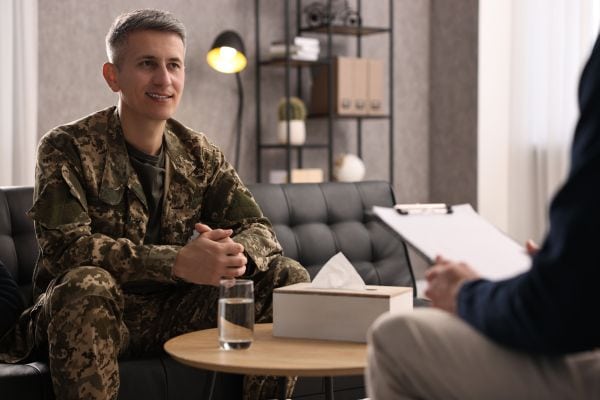
Military culture often values strength, endurance, and self-reliance. This can make seeking help feel uncomfortable. But therapy is not about reliving the past endlessly—it is about learning practical tools to manage the present.
As one therapist explained:
“The mind, like the body, needs structured training after injury. Therapy provides that structure.”
Moving Forward with Courage
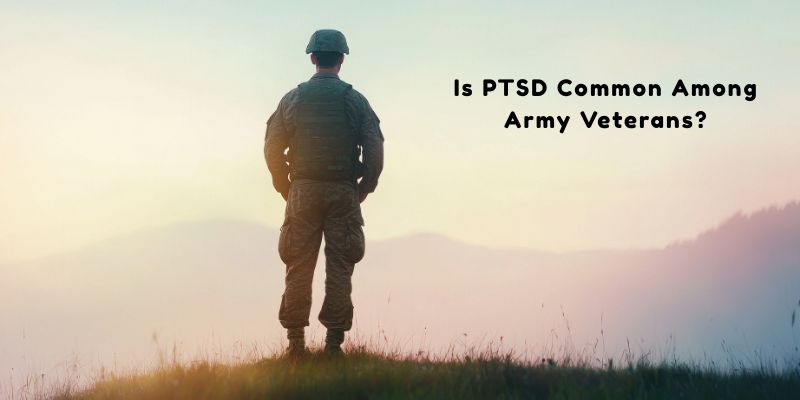
So, is PTSD common among army veterans? Yes—more than many realise. What matters most is not statistics, but the lived experiences of individuals quietly struggling and the courage it takes to reach out.
Healing does not erase service or sacrifice. It allows veterans to carry their experiences without being overwhelmed by them. And seeking help is not a step back—it is a step forward.
References
- World Health Organization (WHO)
PTSD is recognised as a trauma-related mental health condition affecting individuals exposed to distressing or life-threatening events, including military service.
Source focus: Global mental health & trauma frameworks. - American Psychological Association (APA)
Research highlights that veterans may experience delayed-onset PTSD, with symptoms emerging months or years after service.
Source focus: Evidence-based psychological research. - National Institute of Mental Health (NIMH)
PTSD symptoms commonly include hypervigilance, sleep disruption, emotional numbing, and avoidance—especially in military populations.
Source focus: Clinical symptoms & treatment insights.