

Burnout Recovery & Counselling Singapore

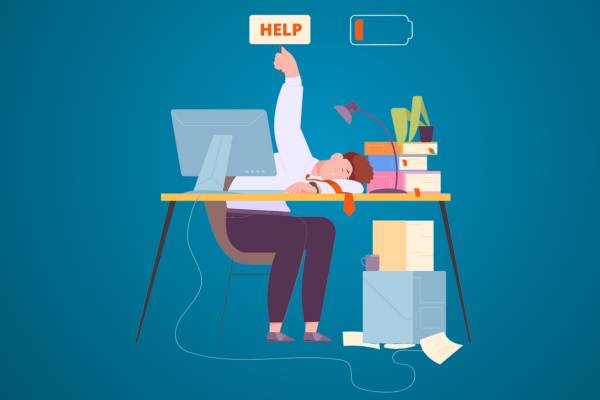
Burnout Counselling in Singapore – A therapist at Insightful Counselling supporting a stressed professional dealing with work exhaustion and emotional fatigue.

From Emotional Exhaustion to Renewed Purpose

“Burnout is a state of emotional, physical, and mental exhaustion caused by excessive and prolonged stress.” — World Health Organisation (WHO)

Are You Feeling Completely “Emptied Out”?

In Singapore’s fast-paced and demanding environment, it is easy to move from being constantly busy to feeling emotionally and physically depleted. Burnout is more than tiredness. It is a state of exhaustion where even simple tasks can begin to feel overwhelming, meaningless, or emotionally draining.

You may notice yourself becoming emotionally numb, disconnected from work, withdrawing from relationships, or struggling to care about things that once mattered to you. Even rest may no longer feel restorative.

At Insightful Counselling Singapore, we support individuals experiencing burnout, emotional exhaustion, caregiver fatigue, and chronic workplace stress. Through personalised therapy approaches and nervous system-focused support, we help you move from survival mode toward a healthier sense of balance, purpose, and emotional recovery.

We offer both in-person counselling sessions in Singapore and online therapy options for individuals seeking flexible and confidential support.

What is Burnout?

What is Burnout Counselling- Insightful Counselling Singapore

Burnout develops gradually when prolonged stress overwhelms the nervous system over time. It commonly affects individuals who have been functioning under constant pressure without enough rest, emotional support, boundaries, or recovery.

Burnout can affect:

  • Emotional well-being
  • Motivation and productivity
  • Sleep and energy levels
  • Relationships and communication
  • Confidence and self-worth
  • Physical and mental health

Unlike stress, burnout often involves emotional withdrawal, hopelessness, and feeling disconnected from yourself or your life.

The Three Dimensions of Burnout

The World Health Organisation (WHO) identifies three core dimensions commonly associated with burnout:

Emotional & Physical Exhaustion

A deep and persistent exhaustion that rest alone does not seem to resolve.

Cynicism & Emotional Detachment

Feeling emotionally distant, irritable, resentful, or disconnected from work, relationships, or responsibilities.

Reduced Sense of Accomplishment

A growing belief that your efforts no longer matter or that you are no longer functioning as effectively as before.

Recognising these signs early can help prevent burnout from becoming more severe or prolonged.

Common Causes of Burnout in Singapore

Burnout often develops from ongoing emotional pressure, chronic over-responsibility, or feeling unable to slow down despite exhaustion.

Workplace Pressure & Long Working Hours

Heavy workloads, constant deadlines, high expectations, and blurred work-life boundaries can gradually lead to emotional depletion.

People-Pleasing & Perfectionism

Many individuals experiencing burnout struggle with internal pressure to overperform, stay productive, or meet everyone’s expectations at the expense of their own well-being.

Caregiver Fatigue

The emotional strain of caring for children, aging parents, or loved ones can become overwhelming without enough support or recovery time.

Constant “Always-On” Culture

Digital accessibility and difficulty disconnecting from responsibilities can prevent the nervous system from fully recovering.

Loss of Meaning & Emotional Disconnection

Burnout may also develop when individuals feel disconnected from their values, identity, purpose, or sense of fulfillment.

Parental Burnout: An Overlooked Form of Exhaustion

Burnout is not limited to the workplace. Parenting without sufficient emotional support, rest, or personal recovery time can also lead to burnout.

Parental burnout may involve:

  • Emotional distancing from children
  • Feeling constantly exhausted by parenting responsibilities
  • Increased irritability or guilt
  • Feeling emotionally trapped or overwhelmed
  • Loss of joy or connection within family life

At Insightful Counselling Singapore, we provide a supportive and non-judgmental space to help parents process these emotions, rebuild emotional resilience, and reconnect with themselves beyond survival mode.

Read our guide on Nurturing Well-being Amidst Parental Burnout.

How Burnout Affects Your Mental & Physical Health
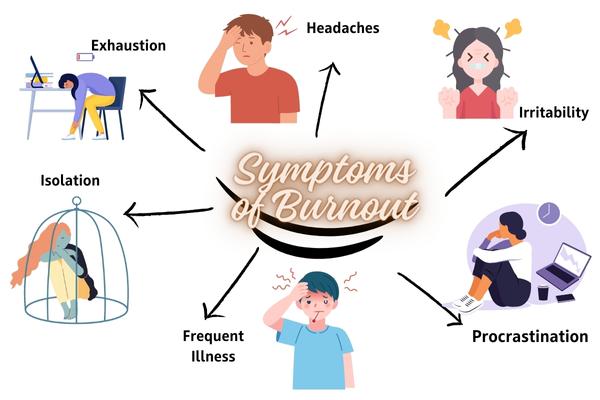
What are the symptoms of Burnout - Insightful Counselling

Burnout affects both the mind and body. Unlike the heightened tension commonly associated with stress, burnout often feels like emotional and physical shutdown.

Emotional & Mental Symptoms

  • Emotional numbness
  • Loss of motivation
  • Hopelessness or cynicism
  • Difficulty concentrating
  • Withdrawal from relationships
  • Feeling disconnected from yourself
  • Increased irritability or emotional exhaustion

Physical Symptoms

  • Chronic fatigue
  • Sleep difficulties or non-restorative sleep
  • Frequent illness or lowered immunity
  • Headaches and body tension
  • Brain fog and memory difficulties
  • Low energy despite resting

If you are experiencing persistent physical symptoms, it is also important to consult a medical professional to rule out underlying health conditions.

→ Book a Burnout Counselling Session

What is the Prevention of Burnout?

1. Stress Management Techniques: Practice stress management techniques such as

  • meditation
  • mindfulness
  • yoga breathing
  • deep breathing exercises.
  • Mandala colouring
  • Butterfly Hug
  • Any activity that helps you relax

2. Importance of Small Breaks: Think of your brain as a sponge that needs to be drained regularly. Take short breaks throughout the day to let your brain rest and recharge. These small pauses can significantly reduce stress levels, keeping your sponge from becoming too saturated.

3. Setting Boundaries: Learn to set boundaries at work and in your personal life. Don’t be afraid to say no when necessary to protect your well-being

4. Supportive Work Environment: Employers can create a nurturing work environment by encouraging open communication and offering mental health resources. Additionally, providing flexible work options and recognising employee accomplishments can significantly reduce stress.

5. Employee Assistance Programs: Implement employee assistance programs that offer counselling and support services for those experiencing burnout.

How Burnout Counselling Can Help

Burnout recovery often requires more than simply taking time off. It may involve emotional processing, nervous system regulation, healthier boundaries, and rebuilding a more sustainable relationship with yourself and your responsibilities.

Therapy can help you:

  • Understand the deeper causes of burnout
  • Reduce self-criticism and perfectionism
  • Rebuild healthier boundaries
  • Improve emotional regulation
  • Restore a sense of identity outside productivity
  • Reconnect with your emotional needs
  • Recover emotionally and physically over time

Burnout recovery is not about becoming “more productive.” It is about rebuilding a life that feels emotionally sustainable and meaningful.

You do not have to navigate burnout alone. Reaching out for support can be the first step toward recovery and emotional balance.

Our Evidence-Based Recovery Approaches

At Insightful Counselling Singapore, our therapists use evidence-based and trauma-informed approaches tailored to your personal experiences and emotional needs.

Cognitive Behavioural Therapy (CBT)

CBT helps identify and challenge the perfectionist beliefs, internal pressure, and thought patterns that contribute to burnout and chronic over-functioning.

Transactional Analysis (TA)

Transactional Analysis explores relationship patterns, communication dynamics, and internal “drivers” such as “Be Perfect” or “Please Others” that can contribute to emotional depletion.

EMDR Therapy

EMDR helps process unresolved emotional experiences and reduce the nervous system activation linked to chronic stress and burnout.

Brainspotting

Brainspotting is a body-based therapeutic approach that helps individuals process emotional distress and nervous system overwhelm stored within the body.

Talk Therapy

Talk therapy provides a compassionate and reflective space to process emotional exhaustion, rediscover personal meaning, and rebuild emotional resilience.

Learn more about our EMDR Therapy, Brainspotting Therapy, and Stress Management Counselling services.

Ready to feel like yourself again?
Reach out today to book a session or WhatsApp us at +65 8328 7060 to start your recovery journey.

Why Choose Insightful Counselling Singapore?

At Insightful Counselling Singapore, we understand that burnout is more than simply feeling stressed or overworked. Emotional exhaustion can affect your motivation, relationships, confidence, physical health, and sense of identity.

Our therapists provide compassionate and personalised support for individuals experiencing burnout, emotional depletion, caregiver fatigue, and chronic workplace stress. We focus on helping you move beyond survival mode and toward a healthier, more sustainable way of living.

We aim to help you:

  • Understand the deeper causes of burnout
  • Rebuild healthier emotional and physical boundaries
  • Reduce self-criticism and perfectionism
  • Improve emotional regulation and nervous system recovery
  • Reconnect with your needs, values, and sense of self
  • Restore balance, clarity, and emotional resilience

We offer both online and in-person counselling sessions in Singapore, providing a safe and supportive space where you can slow down, reflect, and begin the process of recovery at your own pace.

Burnout Recovery Is Possible

When you have been emotionally exhausted for a long time, it can begin to feel as though this is simply how life will feel from now on.

Burnout is not a personal failure. It is often a sign that your mind and body have been carrying more than they can sustainably manage for too long.

With the right support, recovery is possible. Healing involves learning how to slow down, reconnect with yourself, and create healthier emotional and physical boundaries moving forward.

Meet Our Burnout Counsellors

Our therapists in Singapore provide compassionate and personalised support for individuals experiencing emotional exhaustion, chronic stress, and burnout recovery.

Reena Goenka

Burnout Counsellor Reena Goenka - Insightful CounsellingReena Goenka, MSc (Counseling), SAC Master Clinical Member: Specializes In EMDR, Brainspotting, Transactional Analysis, Flash Technique and Hypnotherapy. She works with you to identify the specific sources of stress in your life. By understanding what triggers your stress, you can develop effective coping mechanisms. She teaches practical coping strategies to manage work related stress and burnout.

Yap Huay Khem

Huay Khem - Counsellor at Insightful Counselling SingaporeYap Huay Khem, MSc (Counseling), SAC Registered Member : Specializes In EMDR, Brainspotting, Clinical Hypnotherapy And Past Life Regression For Healing.​

Adeeti Jain

Adeeti Jain - Counsellor at Insightful Counselling SingaporeAdeeti Jain, MSc (Counseling), SAC Associate Member : Specialises in Couple, Marital and Family therapy with a focus on family dynamics and parenting. She is a licensed Gottman professional .

Mhairi Jerga

Mhairi Jerga - Counsellor - Insightful Counselling Singapore

Mhairi Jerga, MSc (Counselling): Specialises in burnout, anxiety, and life transitions. She integrates CBT and mindfulness-based approaches to support emotional resilience. Mhairi brings warmth, cultural sensitivity, and deep compassion to her work with individuals navigating stress and overwhelm.

Insightful Counselling Case Studies for Burnout Recovery

Name changed for privacy.

Case Study 1:

Adrian, a marketing executive in Singapore (name changed for privacy), faced severe burnout after enduring long hours and high demands at his job. He felt perpetually tired, irritable, and lost interest in his work. Adrian realised he would need help and sought burnout counselling services. Through regular therapy sessions, he learned stress management techniques like mindfulness and deep breathing exercises. He also made lifestyle changes, such as setting boundaries at work and making time for hobbies. Additionally, he examined his internal belief system, such as thoughts like “I am not good enough” or “I need to please to be acknowledged.” This self-reflection helped him set boundaries with himself and with others. Over time, Adrian regained his energy and passion for his job, showing that recovery from burnout is possible with the proper support and strategies.

Case Study 2:

Deborah, a mother of two young children (name changed for privacy), faced burnout from managing the demands of her household. Feeling exhausted and overwhelmed, she sought burnout counselling services. Through therapy, she learned stress management techniques like mindfulness and deep breathing exercises and made a conscious effort to set boundaries and prioritise self-care. Emma examined her internal belief system, particularly the thoughts of “I need to do everything perfectly” and “I can’t ask for help.” She realised these beliefs were contributing to her stress and began to change her mindset. By acknowledging her limitations and seeking support from her partner, friends, and family, she incorporated self-care like having a date for herself (laborious initially), regular exercise and a balanced diet., Emma regained her energy and joy, demonstrating that recovery from burnout is possible with the proper support and strategies.

Burnout Counselling in Singapore
Book An Appointment

Frequently Asked Questions

What are the early signs of burnout I should look out for in Singapore’s fast-paced environment?

Early signs include persistent physical fatigue, irritability, a cynical attitude toward work, and feeling ‘checked out.’ In Singapore’s high-pressure culture, you might also notice a loss of motivation and a declining sense of professional accomplishment.

How is burnout different from normal work stress?

While stress involves ‘too much’ (too many pressures), burnout is about ‘not enough.’ It is characterised by feeling empty, devoid of motivation, and beyond caring. Stress usually feels like you’re drowning in responsibilities, whereas burnout feels like you’ve completely dried up.

Does Insightful Counselling offer support for parental burnout in Singapore?

Yes, we specialise in parental burnout counselling. We help parents manage the emotional exhaustion and “caregiver fatigue” common in dual-working households, helping you reconnect with your family and restore your mental well-being.

Can burnout counselling help if I cannot change my job or situation?

Absolutely. Counselling provides tools for ‘internal boundary setting’ and emotional regulation. We help you build resilience and change your response to stressors, even when external circumstances remain the same.

What therapeutic approaches are used for burnout recovery at Insightful Counselling?
Our therapists use evidence-based approaches, including Cognitive Behavioural Therapy (CBT), Mindfulness-Based Stress Reduction (MBSR), and EMDR, to help regulate the nervous system and address the root causes of chronic exhaustion.
What are the 5 stages of burnout to watch for?

The five stages include the honeymoon phase, onset of stress, chronic stress, burnout, and habitual burnout. Identifying these early through burnout therapy can prevent long-term physical and mental collapse.

Managing work-related stress in Singapore requires setting digital boundaries after office hours and practising regular mindfulness. Our counselling services provide tailored strategies to help professionals maintain a healthy work-life balance.

Is burnout a medical condition?

While not a clinical disease, the World Health Organisation recognises burnout as an “occupational phenomenon.” It significantly impacts mental well-being and, if left unaddressed, can lead to severe anxiety or depression.

What are the fees for burnout counselling at Insightful Counselling?

Our individual sessions during office hours (9am – 8pm) range from SGD 150.00 to 230.00. For after-hours or weekend appointments, fees range from SGD 180.00 to 260.00. We also offer affordable counselling options with counsellors-in-training starting at SGD 10.00 for face-to-face sessions.

How can I book an appointment via WhatsApp?

You can easily schedule a session by sending a WhatsApp message to +65 8328 7060. Our team is available to assist you with inquiries and bookings from Monday to Saturday, 9:00 a.m. to 8:00 p.m.

Ready to Begin Your Burnout Recovery Journey?

You do not have to continue living in a state of emotional depletion, numbness, or constant exhaustion.

At Insightful Counselling Singapore, we provide a compassionate and supportive space to help you recover from burnout and reconnect with a healthier sense of balance and meaning.

Take the first step toward emotional recovery and renewed well-being. Book a confidential burnout counselling session in Singapore today or WhatsApp us at +65 8328 7060.

Testimonials

Lily was really helpful and created a really safe and collaborative space for me to discover myself. Highly recommended 🙂

Reena is a patient and understanding therapist who is able to distill the nuances of what I'm feeling based on what I tell her. She is encouraging yet knows when to be tough on asking challenging questions to try to get to the root of the issue and making me face hard truths.

She tries her best to accommodate to her clients' needs, and make it as collaborative a process as possible. The sessions are such that it is tailored to the client's pace and level of comfort.

Book An Appointment

Retrain Your Mind To Relax

Try now

5-4-3-2-1 Grounding Technique

Grounding is a powerful technique to help you reconnect with the present moment, especially when feeling overwhelmed, anxious, or disconnected. By focusing on your senses, you can calm your mind and body, reduce stress, and regain a sense of control.

In this exercise, you’ll use your five senses—sight, touch, hearing, smell, and taste—to anchor yourself in the here and now.

When to Use This Technique:
- During moments of stress or anxiety.
- When experiencing intrusive thoughts.
- To create a sense of calm in a busy day.