

Complex-PTSD Counselling in Singapore

Therapist providing complex PTSD counselling to a client in Singapore

Specialised Support for Complex PTSD Recovery

“Through therapy, we find the strength to rewrite our stories.”

Complex PTSD (CPTSD) can develop after prolonged or repeated traumatic experiences, often leaving individuals feeling emotionally overwhelmed, constantly on edge, disconnected, or stuck in survival mode long after the experiences have passed.

At Insightful Counselling, our SAC-registered therapists provide trauma-informed support for individuals experiencing Complex PTSD symptoms such as emotional flashbacks, hypervigilance, chronic shame, relationship difficulties, emotional numbness, or persistent feelings of unsafety.

Using approaches such as EMDR, Brainspotting, Flash Technique, and trauma-focused therapy, we help individuals gradually process overwhelming experiences while building greater emotional regulation, stability, and self-understanding — at a pace that feels safe and manageable.

Healing from Complex PTSD is possible, and you do not have to navigate it alone.

What is Complex PTSD?

Complex PTSD (CPTSD) can develop after prolonged or repeated traumatic experiences, especially in situations where a person feels trapped, unsafe, emotionally overwhelmed, or unable to escape.

Unlike single-incident trauma, Complex PTSD often affects emotional regulation, relationships, self-perception, and a person’s sense of safety over time. Many individuals may find themselves constantly feeling “on edge,” emotionally disconnected, overwhelmed by emotions, or stuck in survival mode even when there is no immediate danger.

These responses often began as ways to survive difficult experiences and are not signs of weakness or personal failure. With the right therapeutic support, it is possible to gradually develop healthier emotional patterns, greater stability, and a stronger sense of safety within yourself and your relationships.

What are the Symptoms of CPTSD?

The symptoms of CPTSD can be extensive and may include the following:

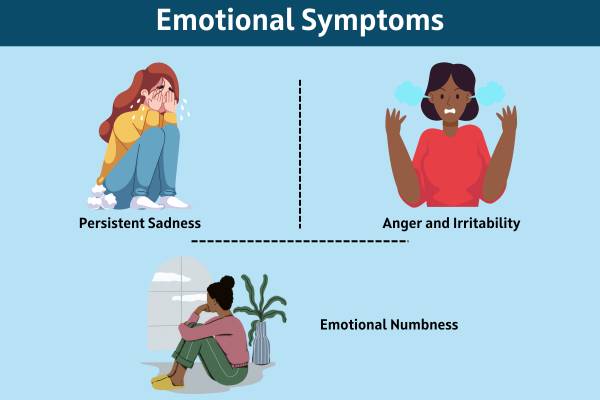
Emotional Symptoms of Complex PTSD - Insightful Counselling

Emotional Symptoms

  1. Persistent Sadness: A prolonged feeling of sadness or depression.
  2. Anger and Irritability: Frequent feelings of anger or intense irritability.
  3. Emotional Numbness: Difficulty feeling emotions or a sense of being detached from feelings.

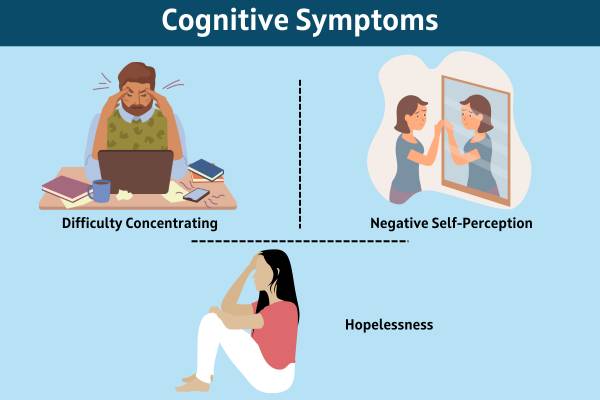
Cognitive Symptoms

  1. Difficulty Concentrating: Trouble focusing or maintaining attention.
  2. Negative Self-Perception: Feelings of worthlessness, guilt, or shame.
  3. Hopelessness: A pervasive sense of hopelessness about the future.
Cognitive Symptoms of Complex PTSD - Insightful Counselling
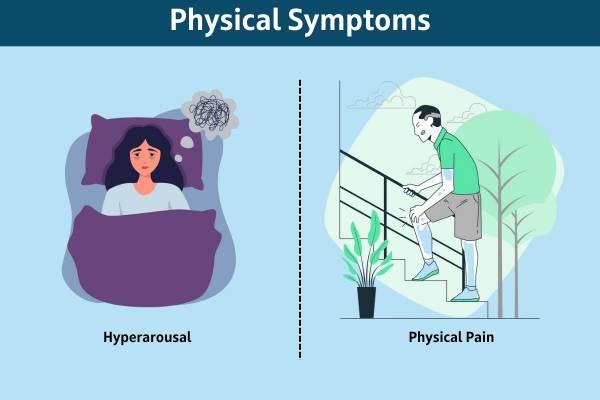
Physical Symptoms of Complex PTSD - Insightful Counselling Singapore

Physical Symptoms

  1. Hyperarousal: Being easily startled, always on edge, or having difficulty sleeping.
  2. Physical Pain: Unexplained physical symptoms such as headaches or stomach aches.

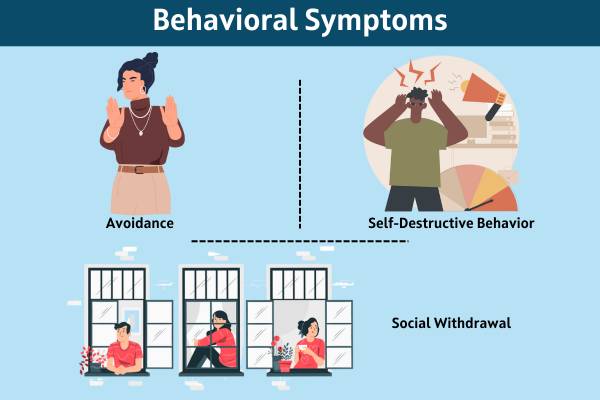
Behavioral Symptoms

  1. Avoidance: Avoiding situations, places, or people that remind them of the trauma.
  2. Social Withdrawal: Isolating oneself from friends and family.
  3. Self-Destructive Behavior: Engaging in harmful behaviours such as substance abuse or self-harm.
Behavioural Symptoms of Complex PTSD - Insightful Counselling Singapore
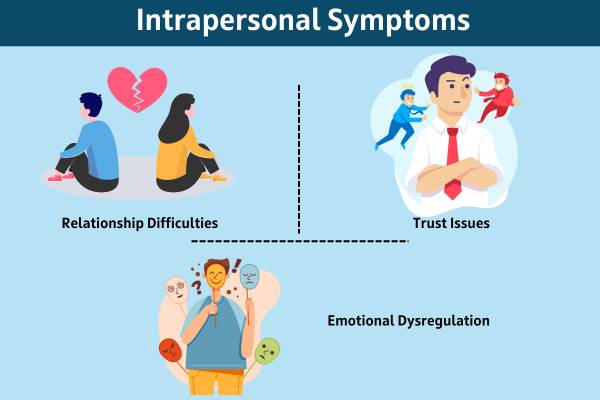
Intrapersonal Symptoms of CPTSD - Insightful Counselling Singapore

Intrapersonal Symptoms

    1. Relationship Difficulties: Trouble forming or keeping close relationships.
    2. Trust Issues: Difficulty trusting others, often feeling suspicious or on guard.
    3. Emotional Dysregulation: Inability to manage emotions appropriately, leading to outbursts or emotional instability.

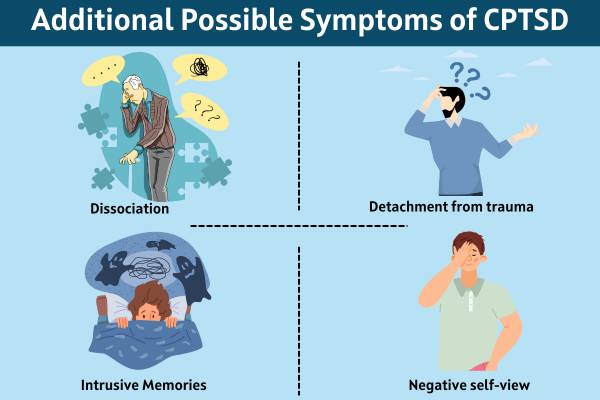
Additional Symptoms

  1. Dissociation: Feeling disconnected from oneself or reality, experiencing memory gaps.
  2. Detachment from trauma: Complete amnesia of the trauma.
  3. Intrusive Memories: Flashbacks or nightmares related to the trauma.
  4. Negative self-view: Feeling helpless, guilty, or ashamed; considering oneself different from others.
Additional Possible Symptoms of CPTSD - Insightful Counselling Singapore

How Complex PTSD Can Affect Daily Life

Complex PTSD can affect much more than memories of past experiences. Many individuals experience ongoing emotional overwhelm, hypervigilance, emotional numbness, or difficulty feeling safe even in everyday situations.

Some people may experience:

  • emotional flashbacks
  • chronic anxiety or feeling constantly “on edge”
  • difficulty regulating emotions
  • dissociation or emotional disconnection
  • intense shame or self-criticism
  • fear of abandonment
  • unstable or overwhelming relationships
  • difficulty relaxing or trusting others
  • emotional exhaustion from staying in survival mode

These responses often develop gradually over time after repeated or long-term trauma, especially within emotionally unsafe or unpredictable environments.

Key Differences Between CPTSD, PTSD, and BPD

Origin of Trauma Core Symptoms Emotional Regulation Relationship Patterns
CPTSD
Prolonged, repeated trauma, often feeling trapped.
Symptoms of PTSD plus emotional dysregulation, negative self-perception, and relationship difficulties.
Severe emotional dysregulation, feelings of helplessness, and worthlessness.
Difficulty forming and maintaining stable relationships.
PTSD
Single or few traumatic events.
Re-experiencing trauma, avoidance, negative mood changes, hyperarousal.
Emotional numbness, hyperarousal.
Possible social withdrawal but not unstable relationships.
BPD
Often linked to childhood trauma, but not always specific events.
Unstable relationships, self-image issues, impulsivity, intense emotions.
Extreme emotional swings, intense anger, chronic emptiness.
Intense, unstable relationships, fear of abandonment, frequent conflicts.

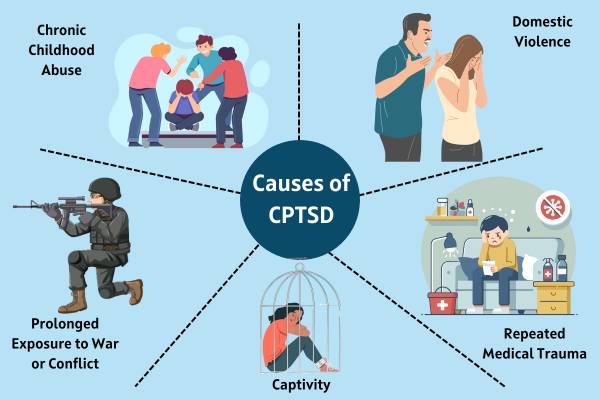
What are some Causes of CPTSD?

What are the Causes of Complex PTSD - Insightful Counselling Singapore
  1. Chronic Childhood Abuse: Long-term physical, emotional, or sexual abuse during childhood.
  2. Domestic Violence: Ongoing abusive relationships where escape is difficult.
  3. Prolonged Exposure to War or Conflict: Living in war zones or conflict areas for extended periods.
  4. Captivity: Being held captive, such as prisoners of war or victims of human trafficking.
  5. Repeated Medical Trauma: Frequent, invasive medical procedures, especially in children.

How Trauma Affects the Nervous System

Complex trauma can leave the nervous system in a prolonged state of emotional threat. Even when the danger has passed, the brain and body may continue reacting as though they are still unsafe.

This may contribute to:

  • hypervigilance
  • emotional overwhelm
  • difficulty relaxing
  • sleep disturbances
  • flashbacks or intrusive memories
  • feeling emotionally disconnected or numb

Over time, living in survival mode can affect emotional regulation, relationships, self-worth, and the ability to feel grounded or safe.

Trauma-focused therapy can help the nervous system gradually feel less overwhelmed while supporting emotional stability and regulation.

How is CPTSD diagnosed?

Disclaimer: A formal diagnosis can only be done by an expert such as a psychiatrist.

At Insightful, our counsellors help understand if a person may have Complex Post-Traumatic Stress Disorder (CPTSD), through a careful process that includes:

Initial Talk: The counsellor will have a detailed conversation to understand the person’s experiences and symptoms. They will ask about the person’s history, any traumatic events, current emotional state, and relationships.

Symptom Check: The counsellor will discuss specific symptoms of CPTSD, such as:

– Persistent sadness or depression.

– Feeling emotionally numb or detached.

– Difficulty controlling emotions, like frequent anger or intense sadness.

– Negative feelings about oneself, such as worthlessness or guilt.

– Problems with relationships, like difficulty trusting others.

– Intrusive memories or flashbacks of traumatic events.

– Constantly feeling on edge or having trouble sleeping.

Diagnostic Criteria: The counsellor will use criteria from the International Classification of Diseases (ICD-11) to diagnose CPTSD. They will look for:

Symptoms of PTSD, like reliving the trauma, avoiding reminders, and feeling on edge.

– Additional symptoms include difficulty managing emotions, negative self-perception, and relationship problems.

Comprehensive Evaluation: The counsellor might gather information from other healthcare providers or review past medical or psychological records.

By following these steps, the counsellor can hypothesis if the client may have CPTSD and develop a treatment plan to help manage symptoms and promote healing.

If needed, they recommend their clients to visit the psychiatrist for a complete diagnosis and medications (if prescribed by the psychiatrist}

Common Coping Responses in Complex PTSD

Many individuals with Complex PTSD develop coping responses that once helped them feel emotionally safer during difficult or overwhelming experiences.

These responses may include:

  • avoiding situations, people, or emotions connected to distress
  • remaining constantly alert for danger or conflict
  • emotional numbing or shutting down emotionally
  • withdrawing from relationships or social situations
  • using distractions or unhealthy coping behaviours to manage emotional pain
  • trying to control situations to feel safe or prevent harm

While these responses may have once served as protection, they can later create emotional exhaustion, relationship difficulties, or feelings of disconnection. Therapy can help individuals better understand these patterns while developing healthier ways of coping and feeling safe.

What are the Treatments for CPTSD?

Treating Complex Post-Traumatic Stress Disorder (CPTSD) involves various therapeutic approaches to address the emotional, psychological, and physical symptoms. Here are some common treatments:

  • Psychotherapy:

Transactional Analysis (TA): TA helps treat CPTSD by examining the interactions and communication patterns that stem from childhood trauma. TA focuses on understanding and changing these learned behaviours to foster healthier relationships and emotional responses.

Cognitive Behavioural Therapy (CBT): Helps individuals understand and change negative thought patterns and behaviours.

  • Trauma-Focused Therapies

Eye Movement Desensitization and Reprocessing (EMDR):

– Uses guided eye movements to help process and integrate traumatic memories.

– Helps reduce the distress associated with traumatic memories.

Brainspotting:

– Identifies, processes, and releases trauma held in the body.

– Uses focused eye positions to access and process traumatic memories.

Flash Technique:

– Involves briefly focusing on a traumatic memory while simultaneously engaging in positive, distracting thoughts.

– Designed to reduce the emotional intensity of traumatic memories quickly.

  • Somatic Therapies

– Somatic Experiencing: Focuses on body sensations to release trauma stored in the body.

– Sensorimotor Psychotherapy: Integrates body awareness with traditional talk therapy to address trauma.

  • Medication

– Antidepressants: Such as SSRIs (Selective Serotonin Reuptake Inhibitors) to help manage symptoms of depression and anxiety.

– Anti-anxiety Medications: To help reduce severe anxiety and panic symptoms.

– Mood Stabilizers: To help manage mood swings and emotional dysregulation.

Important Note: Doctors and psychiatrists can only prescribe medication. We at Insightful Counselling do not prescribe them.

  • Mindfulness and Relaxation Techniques

 – Mindfulness-Based Stress Reduction (MBSR): Combines mindfulness meditation and yoga to reduce stress.

Relaxation Techniques include deep breathing exercises, progressive muscle relaxation, and guided imagery.

  • Creative Therapies:

– Art Therapy: Uses creative expression to help process and communicate feelings.

– Music Therapy: Uses music to help individuals explore and express emotions.

  • Lifestyle Changes

– Regular Exercise: Helps reduce stress and improve mood.

– Healthy Diet: Supports overall mental health and well-being.

– Adequate Sleep: Essential for emotional and physical recovery.

Combining these treatments can provide a comprehensive approach to managing CPTSD, helping individuals reduce symptoms and improve their quality of life. Each person’s treatment plan should be tailored to their needs and circumstances.

How to Find the Right Therapist for CPTSD Counselling?

Finding the right therapist to work with CPTSD can significantly impact your healing journey. Here are some steps to help you find the right match:

  1. Look for Specialized Experience: Ensure the therapist has experience and training specifically in trauma therapy like certified in EMDR therapy.
  2. Check Credentials: Verify their qualifications and certifications.
  3. Ask About Therapeutic Approaches: Inquire about their methods, such as EMDR, Brainspotting, or any other method.
  4. Consider Personal Compatibility: Choose someone you feel comfortable with and trust.
  5. Read Reviews: Look for testimonials or reviews from other clients.
  6. Initial Consultation: Schedule a consultation to see if their approach aligns with your needs.

A compassionate therapist at Insightful Counselling in Singapore guiding a client through Complex PTSD recovery using trauma-informed therapy techniques like EMDR and Brainspotting.

How Insightful Counselling Can Help with CPTSD?

Insightful Counselling offers a supportive and professional environment to help individuals with CPTSD. Here’s how we can assist:

Healing From Complex PTSD Is Possible

Healing from Complex PTSD is often a gradual process of feeling safer, more emotionally grounded, and less controlled by survival responses.

Over time, therapy may help individuals:

  • improve emotional regulation
  • reduce hypervigilance and emotional overwhelm
  • build healthier relationships
  • strengthen self-worth
  • feel more connected to themselves and daily life

With the right support, meaningful healing and emotional stability are possible.

A peaceful woman standing in nature with open arms, symbolizing healing and freedom after Complex PTSD counselling in Singapore.

Our Counsellors for Complex PTSD Counselling

Reena Goenka

Reena Goenka Counsellor For Complex PTSD in Singapore - Insightful CounsellingReena Goenka, MSc (Counseling), SAC Master Clinical Member:

– Specializes in trauma therapy.

– She is a certified EMDR therapist and Brainspotting therapist

– She is a certified Transactional Analyst

– Over 15 years of experience helping clients heal from trauma and CPTSD.

– Known for her compassionate and empathetic approach.

Yap Huay Khem

Huay Khem - Counsellor at Insightful Counselling SingaporeYap Huay Khem, MSc (Counseling), SAC Registered Member :

– Expert in EMDR and Brainspotting therapy

– Expert Clinical Hypnotherapist.

– Focuses on integrating body and mind healing techniques.

– Experienced in working with complex trauma and emotional regulation.

Insightful Counselling Success Stories for CPTSD

Case Study 1:

Client: Kirti

Background: Kirti experienced prolonged sexual and emotional abuse during her childhood and teenage years at home, leading to severe symptoms of CPTSD, including flashbacks, emotional numbness, and difficulty trusting others.

Treatment: EMDR and Brainspotting.

Outcome: Through EMDR, Kirti was able to process and reduce the distress associated with her traumatic memories. Brainspotting further helped her release trauma held in her body, leading to significant improvements in emotional regulation and a reduction in flashbacks. Over time, Kirti developed a stronger sense of self-worth and found building and maintaining healthy relationships easier.

Case Study 2:

Client: Chee Wei

Background: Chee Wei endured repeated physical and verbal abuse at home in his early childhood, resulting in symptoms such as persistent sadness, negative self-perception, and chronic relationship difficulties.

Treatment: Transactional Analysis and EMDR.

Outcome: Using Transactional Analysis, Chee Wei gained insight into his past triggers, beliefs, and patterns, understanding how past traumas influenced his interactions with others. EMDR further helped him desensitize and reprocess his traumatic memories, reducing the intensity of his symptoms. This combination enabled Chee Wei to improve his emotional regulation, develop healthier relationship dynamics, and foster a more positive self-image.

Frequently Asked Questions

What is Complex PTSD, and how is it different from PTSD?

While standard PTSD often stems from a single, high-impact event, Complex PTSD (C-PTSD) usually results from prolonged, repeated trauma—often occurring in childhood or long-term relationships where escape was difficult. In our Complex PTSD counselling in Singapore, we address not just the flashbacks, but the deeper layers of emotional dysregulation, persistent shame, and the challenges of forming safe, trusting connections with others.

How do I know if I need specialized trauma therapy for C-PTSD?

If you find yourself struggling with a ‘harsh inner critic,’ intense emotional ‘flooding,’ or a feeling that the world is perpetually unsafe despite being in a better place now, you may be experiencing CPTSD. Our Singapore-based trauma therapists use a human-first approach to help you identify these patterns. If your history involves long-standing emotional neglect or repeated distress, specialised therapy can provide the tools to finally feel grounded.

What therapeutic techniques do you use for healing from childhood trauma in Singapore?

We don’t believe in a “one size fits all” approach. At Insightful Counselling, we integrate evidence-based methods such as EMDR, Brainspotting, and the Flash Technique. These allow you to process trauma stored in the body without having to find the “perfect words” for your pain, facilitating a more holistic recovery from C-PTSD.

What are the fees for C-PTSD counselling sessions?

Healing from deep-seated trauma is a profound investment in your future. Because safely treating Complex PTSD requires specialised training and extensive clinical experience, these sessions are conducted exclusively by our senior specialists. Our professional fees for Complex PTSD counselling in Singapore range from $180 to $230 per hour. 

Can I recover from C-PTSD even if the trauma happened many years ago?

Absolutely. Many clients seeking Complex PTSD counselling in Singapore come to us decades after the original events. Because C-PTSD affects the nervous system, your body can still be “stuck” in a survival state. Our evidence-based trauma therapy focuses on neurobiology, helping you retrain your brain to realise that the danger has passed. It is never too late to begin healing from childhood trauma.

Do you offer online counselling for C-PTSD in Singapore?

Yes, we provide both in-person sessions at our clinic and secure online therapy. We understand that for some, the home environment feels safest. Our therapists are trained to provide the same level of support for CPTSD symptoms and recovery, so you can access expert care anytime, anywhere in Singapore, regardless of your schedule.

How many sessions will I need for trauma recovery?

Trauma recovery is a journey, not a sprint. While some clients feel a sense of relief after just a few sessions, deeper work for Complex PTSD often requires a longer-term commitment. During your initial consultation, we will discuss a personalised roadmap that respects your pace. Our goal is to move you from ‘surviving’ to ‘thriving’ using a structured, supportive approach.

Is my privacy protected during our sessions?

Confidentiality is the cornerstone of our practice. Whether you contact us via our WhatsApp at +65 8328 7060 or visit our Contact Page, your information is treated with the highest professional ethics. All records are kept secure in accordance with Singapore’s PDPA and psychological association guidelines, ensuring a safe space for your healing.

Complex Post-Traumatic Stress Disorder Counselling in Singapore

Whether you prefer in-person psychotherapy at our Outram Park clinic or online counselling from the comfort of home, we are here to help. Book your session and start your journey toward healing from C-PTSD with our expert trauma team.

Book An Appointment

Testimonials

I was diagnosed with CPTSD by my psychiatrist after enduring 13 years of abuse and moving from one foster home to another. Despite years of therapy and meds, I struggled deeply. I was suggested to try EMDR therapy by my friend Huay Khem, and it was a game-changer. We clicked immediately, and within six months, my trauma started to resolve. I am still working with her, and she is a blessing to me. After 15 years of marriage, being mentally healthy and able to improve my relationship with my husband is incredible. I'm not triggered anymore most of the time, and my anxiety is manageable. I feel great and ready for whatever comes next.

Reena healed me. We have journeyed for three years together. We started by understanding my childhood history, and my beliefs, especially, around ‘I am a failure' using Transactional Analysis and my internal mode of communication with myself. I was a Critical Parent all the time to my inner Child. I did a lot of inner child work that helped me to reconnect with and heal my younger self and nurture myself. She then started working with my past very hurtful memories using EMDR therapy; EMDR helped me process my haunting childhood memories, and Reena's caring and skilled approach made me feel safe and understood. Now, I feel more confident and balanced. Thank you, Reena, for being there for me.

Book An Appointment

Retrain Your Mind To Relax

Try now

5-4-3-2-1 Grounding Technique

Grounding is a powerful technique to help you reconnect with the present moment, especially when feeling overwhelmed, anxious, or disconnected. By focusing on your senses, you can calm your mind and body, reduce stress, and regain a sense of control.

In this exercise, you’ll use your five senses—sight, touch, hearing, smell, and taste—to anchor yourself in the here and now.

When to Use This Technique:
- During moments of stress or anxiety.
- When experiencing intrusive thoughts.
- To create a sense of calm in a busy day.