

For most of my childhood, the word “father” didn’t mean protector. It meant a sound I learned to listen for before I understood why a car in the driveway, a particular weight to footsteps in the hallway, a silence in the kitchen that meant everyone in the house was bracing. My father hurt my mother. He hurt my cousin, who lived with us for a stretch of years. I grew up learning to read a room before I could read a book, and somewhere in that childhood, I made a private vow: I would never let a man like that anywhere near my own life. Fatherhood, to me, wasn’t a role to hope for. It was a warning.
So for a long time, Father’s Day was something I simply got through. I didn’t post anything. I didn’t call anyone. I felt a quiet, complicated mix of relief that I didn’t have to perform gratitude I didn’t feel, and grief for a version of childhood I never got to have. I assumed that was just how this day would always feel for me.
I share this not because my story is unusual, it isn’t, even though it can feel that way when you’re living it, but because it’s worth saying plainly, especially today: the word “father” doesn’t mean the same thing to everyone, and it never has.
For some people, “father” is a person who shows up to the recital, the hospital room, the 2 am phone call without being asked twice. Their Father’s Day is uncomplicated, full, easy to celebrate, and that is worth celebrating fully.
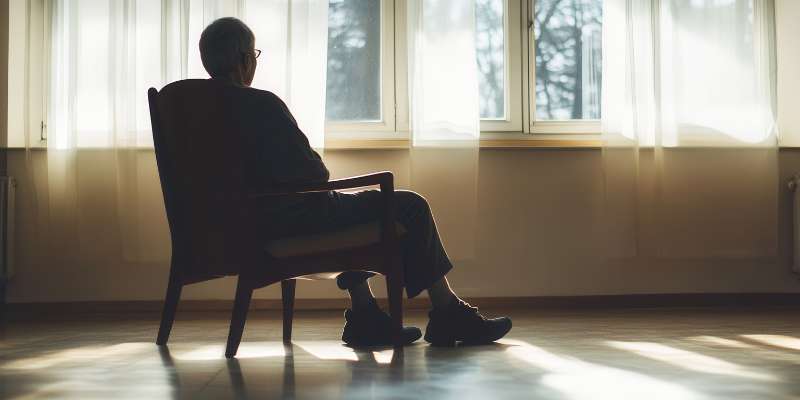
For others, “father” is an absence. A name on a form, a question they stopped asking, a space at the table that was empty long before anyone explained why. Their grief isn’t always loud, but it is real, and it doesn’t need a tidy resolution to be valid.
And for some, like me, “father” is complicated in a different way, not absent, but present and unsafe. A house where love and fear lived in the same rooms. For those of us in this category, Father’s Day can stir up something closer to dread than nostalgia, and there’s often an unspoken pressure to hide that, because admitting it can feel like betraying your own family.
None of these experiences cancel each other out. They can all be true, even within the same family, even on the same day.
What changed for me wasn’t therapy alone, and it wasn’t time alone, though both mattered. What changed was watching my husband become a father. I remember the first time I saw him hold our child, there was nothing in his face that I recognised from my own childhood. No tension, no waiting for the next thing to go wrong. Just steadiness. Over the years, I’ve watched him show up in all the small, unglamorous ways, patient through tantrums, present for the boring parts, gentle even when he’s exhausted, and somewhere along the way, the word “father” started to mean something different to me. Not instead of what it used to mean. Alongside it.
That’s the part I want people to hear today, if today is hard for you: healing doesn’t erase the old story. It doesn’t mean you owe anyone forgiveness, or that the day suddenly stops hurting. What it can mean, over time and often with support, is that the word gets to hold more than one truth at once. Mine still holds fear. It also now holds my husband on the living room floor, patient with our kids’ make-believe games for the third hour in a row.
Wherever you are today, celebrating, grieving, numb, relieved, or somewhere in between, that is allowed. You don’t owe today a feeling you don’t have.
If today brought something up for you that feels bigger than you want to carry alone, that’s exactly the kind of thing we work through at Insightful Counselling. Family-of-origin pain doesn’t resolve itself just because a calendar square arrives every June, it usually takes space, and someone trained to help you make sense of it. You are welcome here, whatever your story looks like.