

“We would never tell someone with a broken leg that they should stop wallowing and get it together. We don’t consider taking medication for an ear infection something to be ashamed of. You shouldn’t treat mental health conditions any differently.”— said Michelle Obama.
We all know that what we eat affects how our body looks and feels — but food has an equally powerful influence on how our mind works. As a nutritionist and counsellor who work closely together, Stephanie Berglin and Mhairi Jerga regularly witness how dietary choices shape emotional wellbeing, resilience, and mental clarity. In this blog, we break down the connection between food and mental health, and share the specific foods that can help.
How Does Food Affect Our Mental Well-Being?
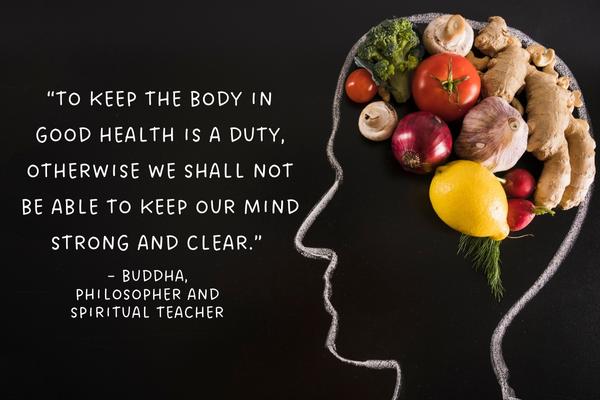
Think of your mind like an engine: it needs the right fuel to perform at its best. A healthy, balanced diet sharpens alertness, improves concentration, and extends attention span. A poor diet, on the other hand, can lead to fatigue, slowed reactions, and a greater vulnerability to stress and depression.
Processed and refined foods are particularly damaging. They stimulate dopamine in ways that create dependency cycles — similar to addictive substances — without delivering any lasting nutritional value. Over time, relying on these foods can disrupt the delicate chemistry your brain depends on to regulate mood and cognition.
“The gut and brain are in constant dialogue. When we nourish the gut with the right foods, we directly support the production of mood-regulating neurotransmitters like serotonin. It’s one of the most powerful, accessible tools we have.” — Stephanie Berglin, Nutritionist
Food That Helps to Reduce Stress and Depression
Managing stress and low mood through diet is something anyone can begin today. Here are some of the most effective options for gut health:
Herbal Tea
Research shows that even the warmth of a hot drink can increase feelings of interpersonal warmth and reduce stress. Teas made with chamomile or lavender are particularly soothing, while green tea offers an added benefit: it contains L-theanine, which promotes calm alertness, protects neurons from inflammation, and supports overall cognitive function.
Dark Chocolate
Dark chocolate (70% cacao or higher) works on both a chemical and emotional level to reduce stress. It lowers cortisol — the body’s primary stress hormone — and is rich in antioxidants. Choose varieties without added sugars or artificial additives for the greatest benefit, and enjoy in moderation.
Whole Grains & Complex Carbohydrates
Carbohydrates help the brain produce serotonin, the neurotransmitter most closely associated with mood and wellbeing. Complex carbohydrates — such as sweet potatoes, whole-wheat bread, oats, quinoa, and brown rice — provide a slow, steady release of glucose that sustains focus and keeps mood stable throughout the day, unlike simple sugars that cause sharp spikes and crashes.
Fatty Fish
Oily fish such as salmon, mackerel, sardines, tuna, and herring are among the richest sources of omega-3 fatty acids. Omega-3s are essential for brain health and have been consistently linked to reduced symptoms of depression and anxiety. They help build and repair brain cells and support communication between neurons.
Warm Milk
Warm milk before bed has long been used as a natural sleep and relaxation aid, and the science supports it. The calcium in milk helps regulate neurotransmitters, relax muscles, and stabilise mood. If you’re lactose intolerant, calcium-rich alternatives include broccoli, bok choy, and fortified plant milks.
Nuts
Nuts — particularly walnuts — are nature’s antidepressants. They’re rich in magnesium, vitamin E, and unsaturated fats, all of which play a key role in managing anxiety and supporting brain function. Studies consistently show that people who eat walnuts regularly report lower levels of depression.
Vitamin C-Rich Foods
Research has shown that just 500mg of vitamin C can meaningfully reduce anxiety levels. Citrus fruits, strawberries, kiwi, and bell peppers are all excellent sources. Beyond stress reduction, vitamin C is a powerful antioxidant that protects the brain from oxidative damage.
Probiotics & Fermented Foods
The health of your gut is directly linked to your mental state. Probiotics support a thriving gut microbiome, which in turn influences mood and stress responses via the gut-brain axis. Yoghurt, kefir, kimchi, and other fermented foods are great ways to introduce beneficial bacteria to your diet.
What Foods Are Good for Mental Health?
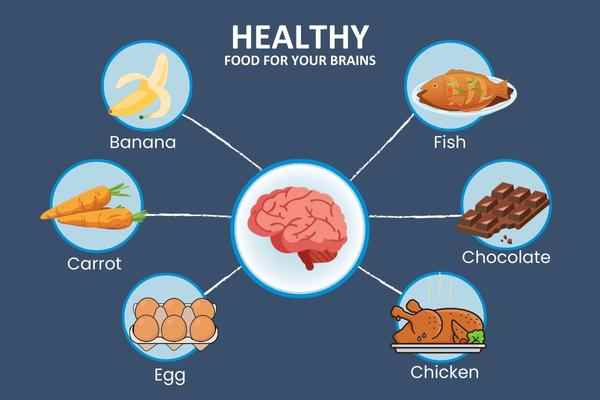
Beyond managing stress, certain foods actively build and protect long-term mental health:
- Plant-Based Foods: Studies show that a predominantly plant-based diet is associated with lower rates of depression and anxiety. Vegetables, legumes, and whole fruits provide fibre, antioxidants, and phytonutrients that support brain health.
- Berries: A 2020 study found that people who regularly eat berries report better mood and fewer depressive symptoms. Blueberries, raspberries, and strawberries are all rich in flavonoids that support cognitive function.
- Cold-Water Seafood: Salmon, oysters, and other cold-water fish are among the best dietary sources of omega-3 fatty acids, making them essential for mental wellbeing.
- Complex Carbohydrates: Millet, quinoa, beets, starchy vegetables, and brown rice all provide brain-nourishing nutrients without the harmful effects of refined sugars.
- Essential Fatty Acids: Found in flaxseeds, eggs, oily fish, and meat, essential fatty acids are critical for the development and ongoing function of both the brain and nervous system.
- Lean Protein: Fish, eggs, legumes, and seeds provide amino acids that the brain uses to build neurotransmitters — supporting clear thinking, quick reactions, and emotional regulation.
To dive deeper into foods that specifically support brain function and long-term cognitive health, read: 👉 6 Best Foods to Improve Cognition and Reduce Dementia
Sattvic Food for Mental Health

The concept of sattvic eating — choosing foods that are pure, natural, and minimally processed — is one that resonates across cultures and traditions around the world. At its heart, it is simply about nourishing the body gently and intentionally, with foods that support both physical vitality and a calm, clear mind. This approach aligns closely with what modern nutritional science recommends for mental wellbeing.
Sattvic-style foods include lightly cooked vegetables, milk products, warming broths, and wholesome grains like millet, rice, and oats. Protein-rich options like dry fruit balls made with cashews, almonds, walnuts, and dates provide both nourishment and grounding energy. Healthy fats from chia and flaxseeds round out this approach, offering brain-protective omega-3s and helping to fight depression. These are foods that anyone, anywhere, can benefit from.
“Many of my clients feel a noticeable shift in their emotional steadiness when they move towards simpler, more natural foods. The mind responds remarkably quickly to what we put into the body.” — Mhairi Jerga, Counsellor
A Counsellor’s Perspective: Food as One Piece of the Puzzle
Mhairi Jerga is careful to frame nutrition as a powerful support — not a cure-all. “Food can absolutely reduce the burden on your nervous system and improve your emotional baseline. But if you’re carrying unresolved stress, grief, or relational pain, food alone won’t resolve that. Therapy and nutrition work best hand in hand.”
In counselling sessions, Mhairi often explores the emotional patterns wrapped around eating — skipping meals during low periods, stress eating, using food for comfort or control. Building awareness around these patterns is itself a meaningful step toward mental wellness.
If you recognise some of these patterns in yourself, our blog 👉 Understanding and Overcoming Eating Disorders: A full disclosure on the hidden battle may offer helpful insight.
Takeaway: Eat Well, Think Well

The path to better mental health doesn’t have to be complicated. You become, in many ways, what you eat — and your brain is no exception. Choosing natural, whole, and nourishing foods over processed alternatives is one of the most accessible steps you can take to protect your mind.
Start small: swap one processed snack for a handful of walnuts, add a portion of oily fish to your weekly meals, or wind down each evening with a warm herbal tea. Consistent, small changes add up to meaningful shifts in how you feel.
Both Stephanie and Mhairi believe that mental health is holistic — and your plate is a wonderful place to begin.
REFERENCES-
https://anzmh.asn.au/blog/mental-health/foods-mental-health-wellness
https://www.mentalhealth.org.uk/explore-mental-health/a-z-topics/diet-and-mental-health
https://timesofindia.indiatimes.com/blogs/voices/food-for-mental-wellbeing/