
Healing from Childhood Traumas
Home > Counselling Services > Healing from Childhood Traumas
Reclaiming Strength and Safety Beyond Childhood Trauma
Imagine catching up with an old friend. As stories unfold, you realise some childhood experiences weren’t just unpleasant — they left scars that still echo today.
Maybe it was the constant criticism, the emotional neglect, or something bigger and harder to name.
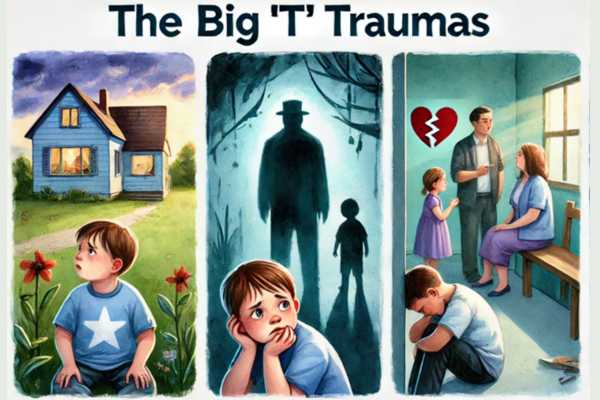
At Insightful Counselling, SAC-registered therapists help you untangle those memories — whether they’re small “t” traumas like ongoing stress or big “T” traumas like abuse or loss — and guide you toward healing, safety, and self-trust.
What Exactly is Childhood Trauma?
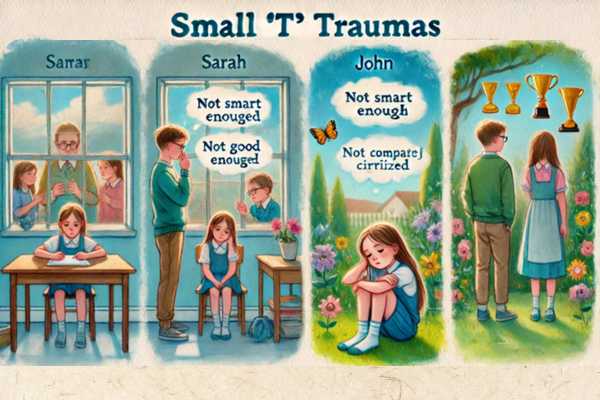
Childhood trauma isn’t just about the big, obvious things. It’s also about the subtle, everyday moments that can make a lasting impact. Let’s break it down with some examples:
Examples of small “t” traumas:
Example: Growing up, Sarah was often told by her parents that she wasn’t smart enough or good enough at school. These constant criticisms made her feel inadequate and affected her self-esteem well into adulthood.
Example: John’s parents were always busy with work, leaving him feeling neglected. He often had to fend for himself and felt that his needs and feelings were unimportant, leading to issues with trust and attachment in his adult relationships.
Example: Emma was frequently compared to her older brother, who excelled in sports and academics. This made her feel inferior and unworthy, creating a lasting belief that she could never measure up.
Examples of big “T” traumas:
Example: Mark experienced physical abuse from a family member throughout his childhood. The trauma from these experiences led to severe anxiety and difficulty in forming healthy relationships.
Example: Lisa was sexually abused by a trusted family friend when she was young. This left her with deep emotional scars, resulting in depression and a pervasive sense of shame and guilt.
Example: Alex grew up in a household where domestic violence was a regular occurrence. Witnessing the abuse of a loved one instilled a constant state of fear and hypervigilance, affecting his ability to feel safe and secure.
These experiences can lead to long-lasting effects, such as anxiety, depression, and difficulties in forming healthy relationships. The good news is, it’s never too late to address and heal from these traumas.
Curious about how trauma might be affecting you? Schedule a consultation with us!
At Insightful Counselling, we’re committed to helping you heal from the wounds of your past. Whether you’re dealing with small “t” traumas or big “T” traumas, our experienced therapists in Singapore are here to guide you every step of the way. Reach out to us today and start your journey towards a brighter, healthier future.
Benefits of Childhood Trauma Therapy for Adult Survivors

Emotional and Psychological Healing

Therapy helps process and release the pain of past traumas, leading to emotional relief. When you carry the burden of unresolved childhood trauma, it can manifest in various ways, such as anxiety, depression, or a constant feeling of being on edge. Through therapy, you can confront these painful memories in a safe and supportive environment, allowing you to release the pent-up emotions associated with them.
Example:
Sarah, who had been constantly criticized by her parents, felt a deep sense of inadequacy and anxiety in her adult life. Through EMDR therapy, she was able to revisit those painful moments and process them in a way that reduced their emotional impact. This led to a significant decrease in her anxiety and an overall sense of emotional relief.

Developing Positive Beliefs and Self-Worth

Addressing and changing negative beliefs helps build a stronger sense of self-worth. Many adult survivors of childhood trauma carry with them harmful beliefs instilled during their early years, such as “I am not good enough” or “I am not important.” Therapy helps in identifying these negative self-perceptions and working towards replacing them with positive affirmations and beliefs.
Example:
John grew up feeling neglected and unimportant because his parents were always too busy to pay attention to him. In therapy, he worked through these feelings and began to understand that his parents’ neglect was not a reflection of his worth. Using Transactional Analysis, John started to reframe his self-beliefs, ultimately building a healthier self-image and a stronger sense of self-worth.

Improved Relationships
Healing from trauma can enhance your ability to form and maintain healthy relationships. Unresolved trauma can create barriers to forming close connections with others, often resulting in trust issues, fear of intimacy, or difficulty in communicating emotions. Through therapy, you can learn to navigate these barriers, improving your relational skills and fostering deeper, more meaningful connections.
Example:
Emma had witnessed domestic violence as a child, which made her wary of close relationships and fearful of conflict. In therapy, she practiced role plays and Gestalt two-chair work to safely explore and express her emotions. This practice helped Emma build healthier communication skills and trust, allowing her to form more secure and fulfilling relationships with her partner and friends.
How to Recognize If You Have Childhood Trauma
Recognizing childhood trauma in yourself can be challenging, especially if the experiences were subtle or normalized in your upbringing. However, certain signs and patterns can indicate unresolved trauma from your childhood. Here are some key indicators:

Emotional Symptoms
Persistent Anxiety or Depression:
- You might feel a constant state of anxiety or bouts of depression that seem unconnected to your current life circumstances.
Unexplained Anger or Irritability:
- You may find yourself getting angry or irritable over small things, often feeling out of control with your emotions.
Feeling Overwhelmed or Easily Triggered:
- Situations that remind you of your past can make you feel overwhelmed, even if the current context is safe.

Behavioural Signs
Difficulty Trusting Others:
- Trust issues may manifest as a reluctance to get close to others or a constant fear that people will hurt or abandon you.
Avoidance of Certain Situations or People:
- You might avoid specific places, people, or situations that remind you of past trauma.
Compulsive Behaviours’:
- Engaging in behaviours like overeating, substance abuse, or overworking to numb or distract yourself from painful memories.

Cognitive Indicators
Negative Self-Beliefs:
- Holding onto beliefs like “I am not good enough” or “I am unlovable” can stem from childhood experiences.
Intrusive Thoughts or Flashbacks:
- You may experience unwanted memories or flashbacks of traumatic events from your childhood.

Physical Symptoms
Chronic Pain or Health Issues:
- Unexplained chronic pain, fatigue, or other health issues can sometimes be linked to unresolved emotional trauma.
Sleep Disturbances:
- Trouble falling asleep, staying asleep, or having frequent nightmares can indicate underlying trauma.

Relational Challenges
Struggles with Intimacy:
- Difficulty forming or maintaining close relationships, or feeling disconnected even in intimate relationships.
Recurrent Relationship Patterns:
- Finding yourself in repeated unhealthy relationships, whether it’s with friends, partners, or colleagues.
Recognizing these signs in yourself is the first step toward healing. At Insightful Counselling, we can help you address and resolve these issues, providing a path to a healthier and more fulfilling life.
Think you might have unresolved childhood trauma? Reach out to us today!
Our Approach to Healing from Childhood Trauma
No two healing journeys are the same — and neither are our sessions.
Our therapists combine evidence-based trauma therapies that work with your nervous system, not against it.
Each method is designed to help you process safely, gently, and at your own pace.
EMDR Therapy
Eye Movement Desensitisation and Reprocessing (EMDR) helps the brain reprocess painful memories so they lose their emotional intensity.
You don’t have to talk through every detail — EMDR allows healing without retraumatisation.
Flash Technique
Used within or alongside EMDR, Flash Technique helps you approach distressing memories without directly confronting them.
It reduces the emotional charge quickly and gently — ideal for clients who find traditional trauma work overwhelming.
Brainspotting
Trauma often lives in the body long after the mind has “moved on.”
Brainspotting uses eye positions to locate where emotions are stored, helping your body release tension and restore balance from the inside out.
Progressive Counting
Progressive Counting guides you to re-experience memories in gradually increasing doses, helping the brain naturally integrate and neutralise their impact.
It’s structured, safe, and effective for both single-event and complex trauma.
Inner-Child Work
Your inner child holds unmet needs, fears, and hopes from the past.
Through our specialized healing from childhood trauma sessions, we help you reconnect with those younger parts—offering the compassion and safety they’ve always needed.
Healing isn’t about reliving your pain—it’s about giving your mind and body a new way to experience peace, safety, and self-trust. Whether your journey starts with inner-child work or specialized trauma counselling in Singapore, we are here to help you move from surviving to thriving.

Why Choose Insightful Counselling in Singapore?
- Experienced Therapists Specialised in Trauma: Our SAC-registered therapists, Reena Goenka and Yap Huay Khem, bring extensive training and a deep commitment to trauma recovery. Having guided numerous clients through the healing process, they offer the expert support needed to navigate the path to wellness.
- Personalized and Compassionate Approach: We create a safe and supportive environment by tailoring our methods, such as EMDR therapy or Gestalt two-chair work, to your specific needs.
- Proven Success Stories: Many clients have successfully overcome their traumas, like John who said, “Insightful Counselling helped me rediscover myself and build a life free from the shadows of my past.”
Takeaway
Healing from childhood trauma might take some time, but the results are worth it. Once you’ve worked through the process, you’ll notice the positive changes you’ve always wanted.
- You’ll feel freer from fear, anxiety, stress, depression etc.
- You’ll feel more open as if a burden has lifted from your shoulders.
- You’ll be able to sleep peacefully.
Ready to start your healing journey?
Our Counsellors for Childhood Trauma Counselling

– Specializes in trauma therapy.
– She is a certified EMDR therapist and Brainspotting therapist
– She is a certified Transactional Analyst
– Over 15 years of experience helping clients heal from trauma and CPTSD.
– Known for her compassionate and empathetic approach.

Case Study: Healing Childhood Trauma for an Expat in Singapore
Background
A client, whom we’ll call Sarah for privacy, sought counselling at Insightful Counselling due to overwhelming anxiety and a persistent belief that she was not good enough at work. Her anxiety was triggered whenever she couldn’t produce a perfect report, leading to significant stress and self-doubt.
Early Life Influences
Through our initial sessions, it became evident that Sarah’s issues stemmed from her childhood. She revealed that her father had been extremely strict, expecting nothing less than perfection from her, especially in her studies. Punishments were frequent if she made mistakes, reinforcing her belief that she needed to be perfect. This was compounded by constant comparisons to her younger brother, who was often seen as more capable and talented.
Therapeutic Approach
Transactional Analysis (TA): We started with Transactional Analysis to uncover and understand Sarah’s deep-seated fears and negative beliefs about herself. Through TA, Sarah realized that her belief of “I am not good enough” originated from her childhood experiences of being constantly compared to her brother and striving for perfection to gain her father’s approval.
Gestalt Therapy – Two-Chair Work: To address her belief of “I need to be perfect,” we used Gestalt Therapy’s two-chair technique. Sarah had a dialogue between her critical self, which demanded perfection, and her true self, which wanted acceptance and understanding. This process helped her recognize and challenge the unrealistic expectations she had placed on herself.
Inviting Her Mother (Gestalt Therapy): We also incorporated role-playing by inviting her to imagine a conversation with her mother. This allowed Sarah to gain perspective on her mother’s views and feelings, fostering a deeper understanding of her family dynamics and their impact on her beliefs.
EMDR Therapy (Eye Movement Desensitization and Reprocessing): To address specific traumatic memories, such as the anxiety-inducing sessions in her father’s study, we used EMDR therapy. This method helped Sarah reprocess these memories, reducing their emotional charge and enabling her to view them more objectively.
Outcome
Over the course of two years, Sarah made significant progress. She learned to challenge and change her negative beliefs, reducing her anxiety and building her self-esteem. She no longer felt the need to be perfect and could accept her imperfections without harsh self-criticism.
Sarah’s personal life also flourished. She found a partner with whom she shared a loving and supportive relationship. She felt empowered to express her viewpoints confidently while maintaining empathy for others.
Ready to start your healing journey? Book an Appointment
This case study illustrates the comprehensive and personalized approach we take at Insightful Counselling to help clients heal from childhood trauma and build fulfilling lives. If you see yourself in Sarah’s story, we are here to help you too.
Frequently Asked Questions
Childhood trauma includes experiences like emotional neglect, abuse, or witnessing domestic violence. In adults, this often manifests as chronic anxiety, depression, difficulty trusting others, and challenges forming healthy relationships. Both small ‘t’ traumas (ongoing belittlement) and big ‘T’ traumas (loss or abuse) have significant long-term impacts.
We provide advanced, evidence-based trauma interventions including EMDR, Brainspotting (BSP), the Flash Technique, and Progressive Counting (PC). These modalities are specifically chosen to help process ‘stuck’ traumatic memories effectively and safely without requiring the client to relive every detail.
Signs include persistent anxiety unconnected to current events, unexplained anger, people-pleasing behaviors, or feeling easily triggered. Many adults also experience intrusive thoughts, chronic sleep disturbances, or recurring unhealthy relationship patterns rooted in unresolved childhood experiences.
EMDR uses bilateral stimulation to desensitise traumatic memories, while Brainspotting (BSP) uses specific eye positions to access and release trauma stored in the brain and body. Both are highly effective for wounds that talk therapy alone may not resolve.
The Flash Technique is a low-distress intervention that quickly reduces the intensity of disturbing memories. Progressive Counting (PC) involves visualising a memory while the therapist counts aloud, offering an efficient way to reduce PTSD symptoms for adults and adolescents.
It is common for the brain to ‘block’ memories as a defence. Trauma is often stored in the body as physical sensations or emotional triggers. Our therapists are trained in somatic techniques to work with these hidden symptoms and facilitate healing even without clear visual memories.
Transactional Analysis helps identify deep-seated beliefs and ‘scripts’ formed in childhood, such as ‘I am not good enough.’ By recognising these patterns, clients can actively work to change their self-perception and improve their current relationships.
No, healing is possible at any age due to neuroplasticity. Many adults find significant relief and improvement in their quality of life through therapy, even decades after the traumatic events occurred. Book a session to start your journey.
The duration of therapy varies based on individual needs and the severity of the trauma. Some clients may see significant improvement in a few months, while others may require longer-term therapy to fully heal and develop healthy coping mechanisms.
Childhood Trauma Counselling in Singapore
Ready to find peace from the experiences of your youth? Contact Insightful Counselling today for expert childhood trauma support, available in-person or online. Contact us today!
Book An Appointment
Testimonials
I came to Reena when I experienced motherhood anxiety and had feelings of not being a good mother. Thank you, Reena, for helping me fly as a mother. I can positively say, 'I am the best mother! :)' You helped me recognize my past patterns with Transactional Analysis, especially with the regular messages I received from my parents, problems that had built up over time. A key benefit of my therapy sessions with Reena was understanding why I felt the way I felt and how I related to people. I made a decision to be different with my child, and it worked!!! Once again, a big thank you, Reena.
Huay Khem has been a remarkable support throughout my journey with childhood trauma. She has consistently provided a safe and understanding environment where I can openly discuss my issues without fear of judgment. Her empathy and non-judgmental approach have given me the space to be myself, which has been incredibly healing.